
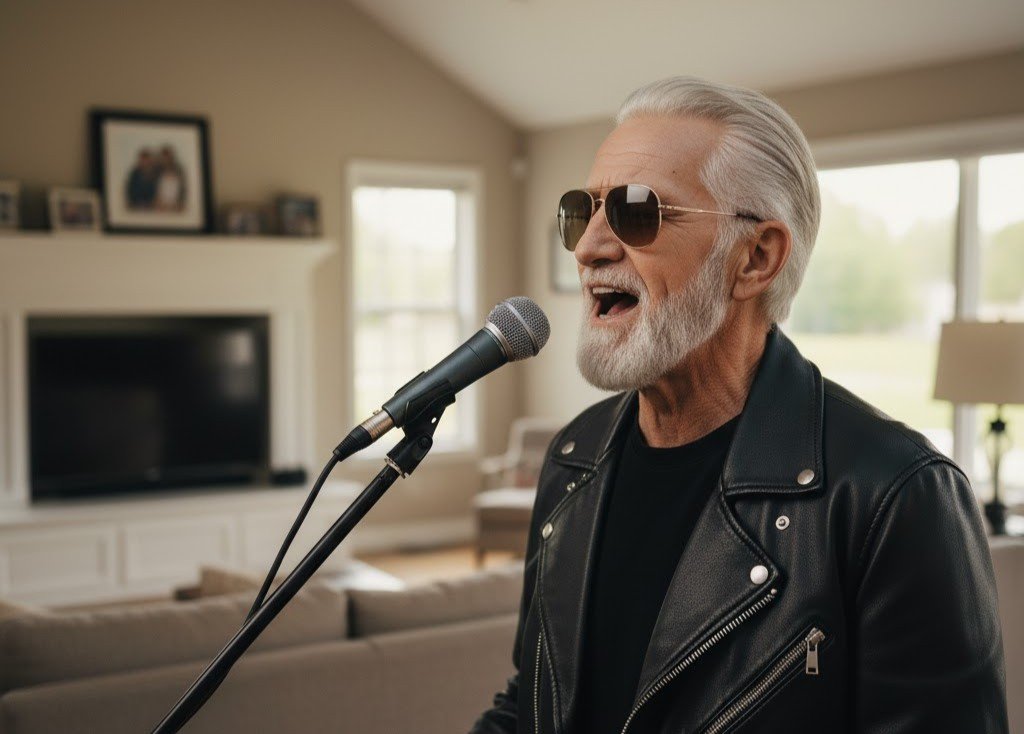
Many seniors find great joy and confidence in singing together. Even if you’ve never sung before, you can learn to sing at any age.
Are you an older adult who has always wanted to sing, but worried it might be too late? It’s never too late to learn how to sing. In fact, anyone can learn to sing – no matter your age or “talent” level. Whether you’re in your 50s, 60s, 70s or beyond, you can improve your singing voice and enjoy the many benefits of music. This article will show why age is just a number when it comes to singing, how to find the right singing lessons for adults, and how online courses like Singing Carrots can help you hit the right notes from the comfort of home.
Can You Learn to Sing at 60 or Older?
Many people assume you have to start young to become a good singer. This simply isn’t true. Research has found that singing ability does not automatically decline with age – once you learn proper technique, you can maintain a high level of singing accuracy throughout your life. In one study of singers aged 6 to 99, older adults showed no strong age-related decline in their ability to match pitch. In other words, singing is a learned skill you can continue to improve, and it remains a fruitful endeavor even into old age. Scientific evidence also supports that with consistent practice, your voice can be trained and improved at any age. While the vocal cords do change as we get older, adults can still expand their vocal range, increase control, and improve tone through training. Our brains retain the ability to form new neural pathways (thanks to neuroplasticity), so seniors are fully capable of learning new vocal techniques and habits in singing practice.
Real-world success stories: A vocal coach on Reddit emphasized “No age limit!” for learning. “I’ve had clients in their 60’s start from scratch and become excellent singers,” they wrote, even recounting how a 74-year-old student regained his lost singing ability with training: reddit.comreddit.com. Another user who began vocal lessons at 49 years old noted that after two years of practice, they “made more progress than [they] had thought possible” and can now sing confidently “without embarrassing [themselves]” (reddit.com) – even if they don’t expect to become the next Pavarotti. These stories echo a common refrain: adults can and do learn to sing successfully, often exceeding their own expectations.
In fact, starting to sing later in life has some advantages. Older learners often have greater emotional maturity and discipline when practicing songs. You have a lifetime of music listening to draw on, so you may connect more deeply with lyrics and musical expression. It’s common for seniors to ask, “Can anyone learn to sing, even if I think I have a ‘bad’ voice?” The answer is a resounding yes. Voice coaches emphasize that there’s no such thing as being “too old” or having an untrainable voice – your voice is made up of muscles and coordinations that can be developed with guidance and exercise. Even famous examples show it’s never too late: Britain’s Got Talent singer Susan Boyle was in her late 40s when she shot to stardom, proving it’s really never too late to start singing. And she’s not alone – soul singer Charles Bradley didn’t release his first record until his early 60s. So put aside the doubt. No matter if you’re 40 or 80, you can learn to sing and even become a better vocalist than you ever imagined.
Benefits of Singing for Older Adults

Learning to sing as an adult isn’t just possible – it’s also incredibly beneficial for your health and happiness. Numerous studies show that singing and music can improve quality of life for seniors. For one, practicing songs and memorizing lyrics is a great workout for your brain. Learning melodies and words stimulates your mind, which strengthens memory and cognitive function – a big plus for older adults who want to stay mentally sharp. Taking adult singing lessons has been shown to boost cognitive abilities, memory, problem-solving skills, and creativity, helping keep your brain young and active. Because singing engages both the left and right hemispheres of the brain, it encourages new connections and mental agility even later in life.
Singing is also a natural mood lifter. When you sing, your body releases endorphins and oxytocin – hormones linked to happiness and stress relief. Music can reduce anxiety, ease depression, and provide a comforting emotional release for people of any age. Many seniors find that singing their favorite songs brings joy and nostalgia, lifting their spirits. It’s a wonderful way to relieve stress and express yourself. Additionally, singing can improve respiratory health and posture. The deep breathing and diaphragm control used in singing act as a gentle lung exercise, which can increase lung capacity and stamina over time. Better breath support also encourages you to sit or stand up straight, strengthening core muscles and reducing slouching. Some doctors even note that regular singing may help reduce snoring or sleep apnea by toning throat muscles. Overall, whether you sing in the shower or in a choir, you’re likely to feel healthier, happier, and more energized with singing as a hobby. Virtually all older adults report at least one positive health benefit from engaging with music – from lower blood pressure to improved mood. And perhaps one of the greatest benefits: singing builds social connections. Joining a local choir or even doing virtual sing-alongs can connect you with like-minded people and combat loneliness. The shared experience of music brings a sense of community and belonging, which is so valuable as we age.
Singing Lessons for Seniors: What Are the Best Options?
If you’re asking whether there are singing lessons designed specifically for seniors, the answer is yes. Today, there are many singing lessons for seniors and older adults that focus on beginner-friendly techniques, gentle vocal exercises, and steady progress rather than performance pressure. These lessons are created with adult voices in mind, making them ideal even if you’ve never sung before.
Singing lessons for older adults typically emphasize healthy breathing, pitch control, and vocal comfort instead of pushing for extreme high notes. This approach helps protect the voice while still allowing you to improve tone, range, and confidence over time. Many singing lessons for elderly people also move at a relaxed pace, which makes learning enjoyable rather than overwhelming.
Whether you choose private coaching, group classes, or online training, the key is finding singing lessons for seniors that match your comfort level and lifestyle. The best option is the one you’ll actually stick with — because consistency matters far more than age when learning to sing.
Finding the Right Voice Lessons (Near Me vs. Online)
So you’re convinced to start – fantastic! The next question is: how should you learn? Many mature beginners start by searching for “voice lessons near me” or “vocal coaches near me”. Local singing instructors can indeed be a great option. A good vocal coach in your area can provide personalized feedback in person. You might find adult singing lessons near me through community music schools, private teachers, or even group classes for adults. If you prefer face-to-face interaction and a structured schedule, looking up voice instructors near me and scheduling weekly private singing lessons near you might work well. Just be sure to find a teacher experienced with adult or senior students, so you feel comfortable and supported. Don’t be shy about taking a trial lesson to see if they’re a good fit.
However, not everyone has a convenient local option. You might live far from a music studio, have limited mobility, or simply feel a bit nervous singing in front of a stranger at first. That’s where online singing classes really shine for older adults. Online singing lessons for adults allow you to improve your vocals right from the comfort of your home. All you need is a computer, tablet, or even a smartphone. In fact, you don’t need any fancy equipment or musical background to get started – just a device with a microphone (even a built-in one) and an internet connection. For example, Singing Carrots is an online singing platform designed for beginners to practice effectively at home. It runs in your web browser (no complicated software to install) and works on any device, so it’s very accessible even if you’re not tech-savvy. Online platforms like this also let you learn at your own pace. There’s no pressure to keep up with a class or schedule. You can practice anytime – morning or evening – whatever suits your routine. This flexibility is perfect for adults with busy schedules or retirement activities. Don’t let a busy life stop you – even finding just 30 minutes a day for practice can lead to incredible progress if you stay consistent.

Singing Carrots is built around an AI vocal coach that listens to you sing in real time and adapts every session to your voice — planning exercises around your range, adjusting difficulty as you go, and remembering your progress between sessions. Beyond pitch, the coach also analyzes voice quality: airiness, ring, vibrato, and loudness. It’s the only singing app with published outcome data: across 2,000+ singers, beginners improved their pitch accuracy by +16.5 percentage points in four weeks. Around the coach sit its free tools — the vocal range test, pitch accuracy test, and real-time pitch monitor — plus song search that matches songs to your measured range.
Of course, online learning doesn’t mean you’re isolated. There are many virtual communities and online choirs where adult singers come together to share progress and even perform virtually. But if you do crave in-person singing, consider joining a local choir or casual singing group in addition to your online practice. Many areas have senior community choirs or group classes for “golden age” singers where you can have fun and socialize while singing songs you love. The combination of private practice online and some social singing offline can give you the best of both worlds.
Tips to Improve Your Singing Voice (At Any Age)
Getting started can feel daunting, but remember – every great singer was once a beginner. Here are a few tips as you embark on your vocal journey:
- Start with gentle warm-ups: An aging voice needs care. Begin each practice session with simple humming or lip trills to warm up your vocal cords. This protects your voice and improves your tone.
- Practice consistently: As mentioned, a little bit of regular practice beats infrequent long sessions. Set aside time a few days a week to work on exercises or a song. Consistency is key to building new vocal habits.
- Focus on breathing: Good singing starts with proper breath support. Try breathing from your diaphragm (your belly should expand) and use controlled, steady breaths when singing. This will help you sustain notes and sing more powerfully.
- Choose comfortable songs: Pick songs you love that fit within your current vocal range. It’s okay if you can’t hit very high or low notes yet. Starting with easy songs builds confidence. Over time, as your range increases, you can tackle more challenging pieces.
- Consider a coach or feedback: If possible, get feedback on your singing – whether from a vocal coach, a choir director, or even recording yourself. Personalized tips can speed up your improvement. Don’t be afraid to seek out a vocal instructor for guidance, or use online tools that give you feedback on your pitch and timing.
Most importantly, enjoy the process! Singing should be fun and rewarding, not stressful. At first you might only sing for yourself – and that’s wonderful. Over time, you might gain the confidence to sing for friends or even on a stage if you wish. Don’t waste any more years thinking “I’m too old to sing” – many people reach later life and regret not pursuing their passion sooner. You deserve to enjoy the passion and joy that singing can bring. If you have the desire to sing, now is the perfect time to begin.
Explore Online Singing Courses for Adults
If you’re ready to take the next step, an online singing course might be the perfect solution to kickstart your progress. Singing Carrots, for example, offers beginner-friendly singing programs tailored for adult learners. They have a 4-week “From Zero to Singing Hero” course specifically for absolute beginners, which builds a solid foundation step by step. There’s also a more extensive 21-lesson “All-Round Vocalist” course that covers everything from breath support and vocal techniques to singing in different genres and even overcoming stage fright. These courses are structured to be easy-to-follow and motivating – even if you’ve never had a voice lesson in your life. Each lesson introduces new concepts in simple terms and gives you exercises to practice, so you gradually expand your skills and confidence.
What’s great about an online program is you can replay lessons as much as you need and learn at your own pace. You’ll get the visual and audio demonstrations to guide you. Plus, Singing Carrots includes all those interactive tools (like the pitch monitor, vocal range test, and progress stats) to complement the video lessons. It’s a one-stop solution – essentially a personal vocal coach, practice studio, and song library all in one website. And if you ever feel self-conscious, remember: when practicing online, it’s just you and your device. You can experiment freely without fear of judgment, which many beginners find liberating.
Finally, keep in mind that learning to sing is a journey, not a race. You might not sound like Pavarotti or Ella Fitzgerald overnight, but with each practice session you’ll make progress – a slightly better tone here, a bit more range there. Celebrate those small improvements. Many adult students report that after a few weeks of practice, they notice they can hit notes that used to be shaky, or they don’t run out of breath as quickly. Those little victories will motivate you to keep going. And if you ever feel discouraged, just think of how far you’ve come from day one. As the saying goes, the best time to start was yesterday; the second best time is today. Your voice is waiting to be unlocked.
In conclusion, learning to sing as a senior or adult is one of the most rewarding gifts you can give yourself. It’s good for your mind, body, and soul. So go ahead – look up those “singing lessons for adults near me” or, better yet, try an online singing class with a supportive program like Singing Carrots. You’ve got nothing to lose, and a whole world of music and happiness to gain. Remember, it’s never too late to sing. The spotlight (even if it’s just your living room lamp!) is ready for you. Warm up those vocal cords, take a deep breath, and enjoy the journey of becoming the singer you’ve always wanted to be. Happy singing!
FAQs
Yes. Singing is a learned skill, and research shows adults can improve pitch, tone, and control at any age with consistent practice.
Yes. Many vocal coaches and online platforms offer singing lessons for seniors and older adults, designed for beginner voices and flexible learning.
Both can work. Online singing lessons for seniors are often more convenient, affordable, and less intimidating for beginners.
Sources
- PLOS Journal – Study on Choir Singing Benefits in Older Adults(pmc.ncbi.nlm.nih.gov),(pmc.ncbi.nlm.nih.gov)
- Ken Tamplin Vocal Academy Forum – Story of a 60-year-old achieving his dream voice(forum.kentamplinvocalacademy.com)
- SingWell Blog – Learning to Sing at an Older Age (Champness Jack’s story at 58)(singwell.eu),(singwell.eu)