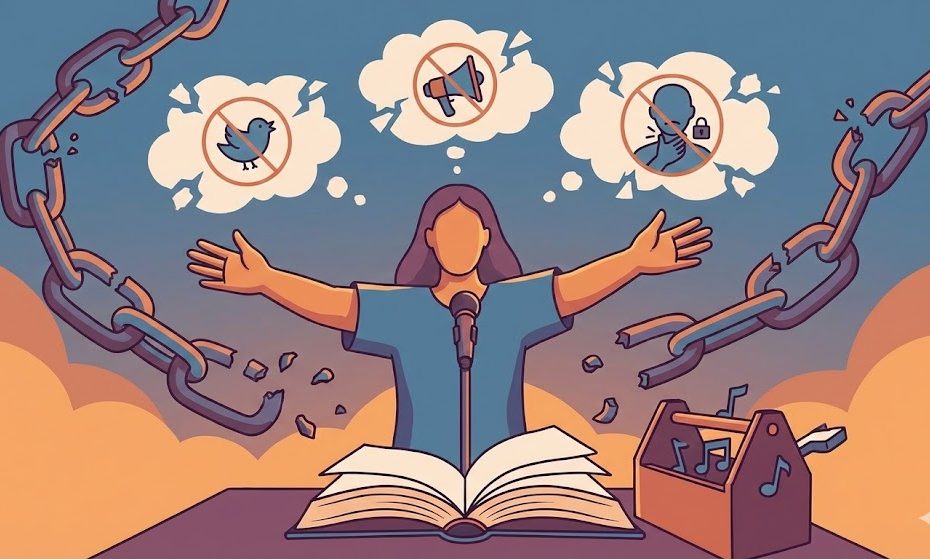
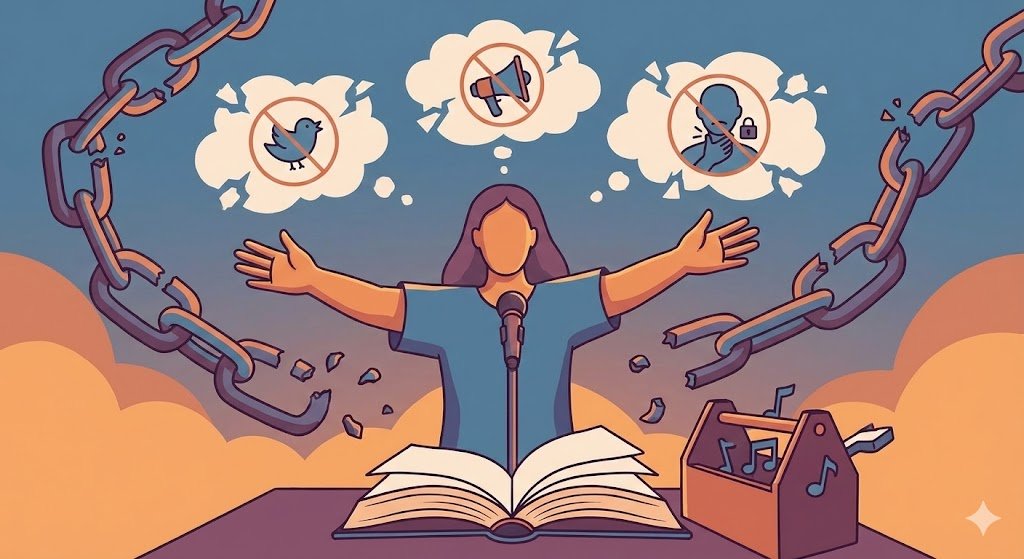
Do you believe you just can’t sing? You’re not alone. Many adults who want to learn how to sing worry that they weren’t “born with” a great voice or that it’s too late to start. Perhaps someone told you that you’re tone-deaf or you caught yourself thinking it’s pointless to try. Stop right there – these beliefs are nothing more than myths that hold you back. In reality, singing is a skill almost anyone can learn with practice and the right approach. As one music professor famously put it, “Everyone who can speak can learn to use a singing voice”. This friendly guide will walk you through how to learn singing by debunking the biggest singing myths. By the end, you’ll see that yes, you can sing – and you’ll know how to practice to sing with confidence and joy! Let’s jump in and bust those myths.
Myth #1: “I’m Tone Deaf – I Just Can’t Sing”
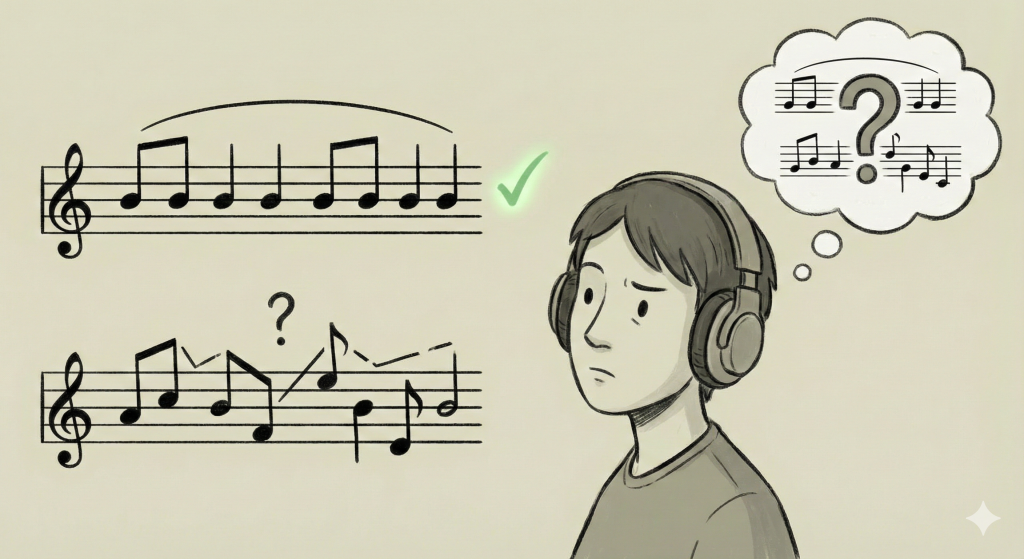
Truth: True “tone deafness” is very rare. Only about 1.5–5% of people have a medical condition (amusia) that makes it hard to distinguish pitches. That means over 95% of us can absolutely learn to sing in tune. If you can hum along to “Happy Birthday” or notice when a note is off-key, you are not tone-deaf! In fact, even those who struggle at first can improve. Voice teachers often find that after a few months of ear training, almost everyone learns to match pitch. There’s a popular saying: “If you can talk, you can sing.” It’s true – singing uses the same vocal muscles you use in speaking, just in a more refined way. For example, one beginner who literally couldn’t hit the right notes at all managed to sing a full song on-key after six months of dedicated practice. So don’t label yourself as hopeless. Chances are you can carry a tune – you might just need some training and practice to get there!
Myth #2: “Great Singers Are Born, Not Made”
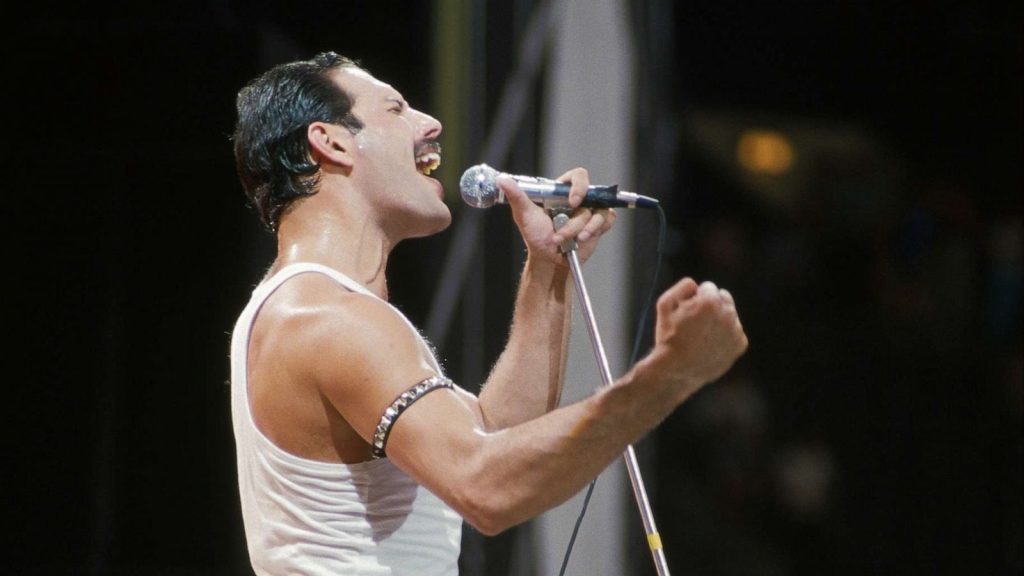
Truth: Talent helps, but singing is a learned skill. No one pops out of the womb as a master singer – even famous vocalists trained their voices for years. In reality, singing technique is built through practice, just like learning an instrument or a sport. Hard work beats talent when talent doesn’t work hard. As one voice teacher notes, a student who focuses and practices will always outshine the naturally gifted singer who never puts in effort. Vocal ability isn’t some magic gift – it comes from developing your vocal muscles and coordination over time. With the right exercises, you can expand your range and improve your tone and power. On the flip side, even the most gifted singer will hit a plateau without training and regular practice. The bottom line: you can learn how to sing well through training, regardless of initial talent. Every great singer started somewhere, so instead of worrying about talent, focus on building your skills step by step.
Myth #3: “It’s Too Late – Adults Can’t Learn to Sing”
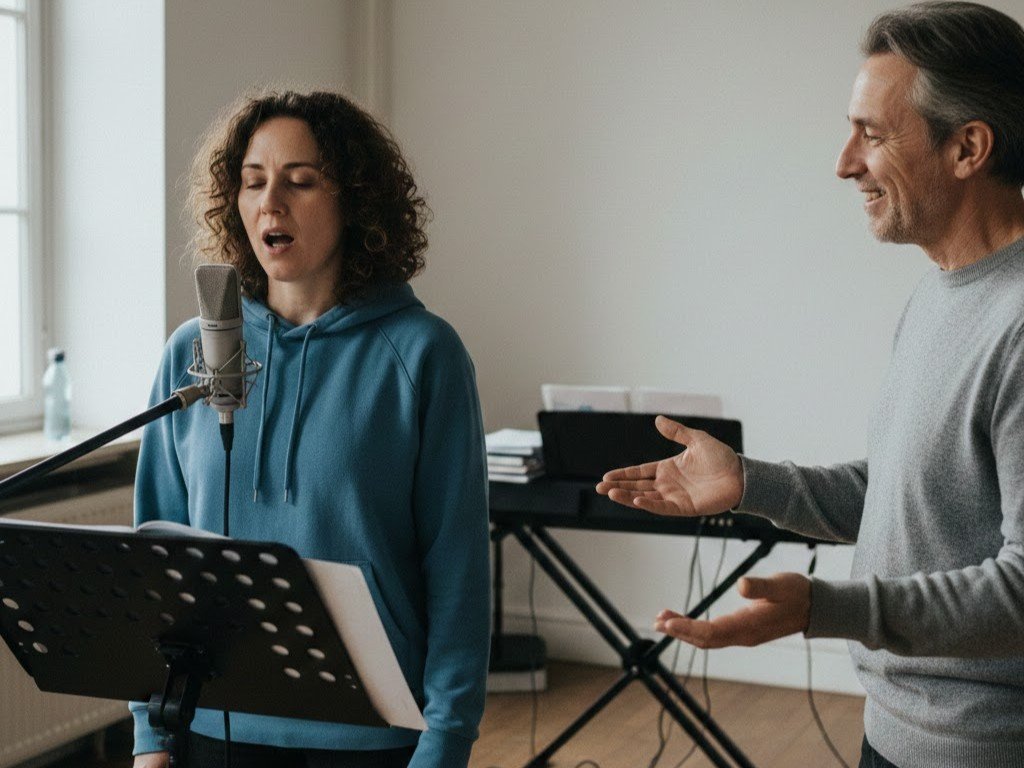
Truth: It is never too late to start singing. The idea that only kids can learn music is one of the biggest myths out there. Adults actually have some advantages – you’re more focused, motivated, and disciplined than the average child learner. You also have a clearer reason why you want to sing, which can drive you to succeed. People of any age can learn to sing with practice. In fact, music instructors have taught students from age 4 to 90 – it’s never too early or too late to add music to your life. Sure, younger folks might pick up certain habits easily, but adults often understand concepts better and can be very dedicated. Learning to sing as an adult might feel a bit outside your comfort zone at first, but don’t let that stop you. Whether you’re 30, 50, or 70, you absolutely can learn how to sing and even reap extra benefits like improved brain function and reduced stress as you do so. Your vocal cords don’t have an expiration date – so go ahead and give it a try now, no matter your age!
Myth #4: “I Don’t Have a Singing Voice (Mine Just Sounds Bad)”
Truth: There’s no single “right” kind of voice for singing – and you definitely do have a singing voice, because you have your own voice! It’s a common worry: you might think your voice is too croaky, too soft, too off-pitch. But remember, your voice is as unique as your fingerprint, and it can be developed. Singing is a skill of coordination and muscle control, not an inborn quality you either have or don’t. Just like going to the gym builds your muscles, doing vocal exercises will strengthen your voice over time. With training, you can improve your breath support, increase your vocal range, and enhance your tone quality. A voice that starts out shaky or thin can become strong and resonant with consistent practice. Some students do begin with more natural ability, just as some people are naturally athletic, but the person who puts in consistent work will always improve far beyond the one who doesn’t.
Don’t fall into the trap of comparing your voice to famous singers on the radio – remember, many of them have had years of coaching and practice. Focus on finding your singing voice. This means learning to use your voice in a way that feels comfortable and authentic to you. Part of becoming a singer is getting comfortable with the unique voice you have. Even famous artists have very different voices – some are raspy, some are deep, some are sweet – and each one works in its own style. Your voice might not sound “good” to you yet, but it’s capable of far more than you realize. Keep at it and you’ll be amazed at how your vocal strength and confidence grow. As one inspiring proverb says: “If you can walk, you can dance. If you can talk, you can sing.” In other words, yes, you do have a voice – you just need to let it out and polish it!
Myth #5: “Learning to Sing Takes Too Much Time (and Money)”
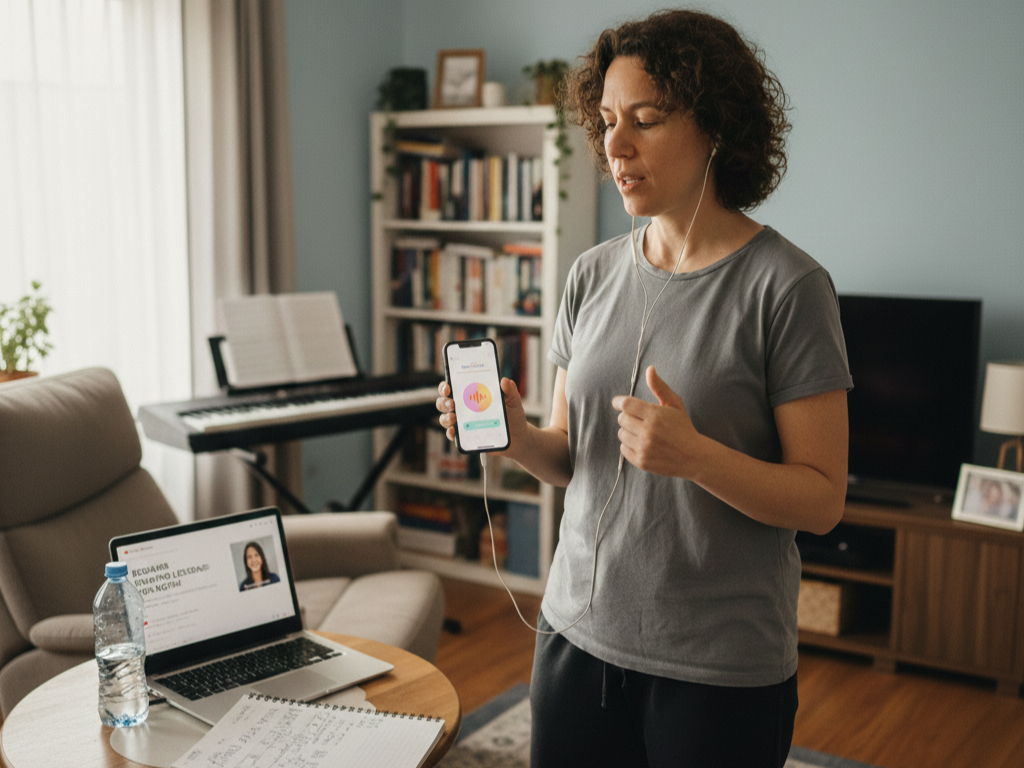
Truth: You don’t need to practice for hours a day or empty your wallet on private lessons to become a better singer. Consistency matters far more than total hours. In fact, short, regular practice sessions are usually more effective for beginners. Even just 5–10 minutes a day of focused vocal exercises can lead to real progress. The key is to practice often – a little bit each day – rather than doing one long session once in a blue moon. Busy schedule? No problem. You can sing along with a song during your commute or do a quick warm-up in the shower. You’ll be surprised how much you improve by sneaking in brief practices daily.
And what about costly lessons? While working with a good voice teacher is certainly helpful, it’s not the only way to learn how to sing. There are plenty of affordable (even free) resources to get you started. For example, there are tons of singing training online programs, YouTube tutorials, and smartphone apps that teach basic vocal techniques. You can start with these to learn how to breathe properly, hit notes on pitch, and find your vocal range, all from the comfort of home. Joining a community choir or singing group can also provide practice and guidance at little to no cost. Online lessons are another convenient option if you travel or have a tight schedule – you can connect with a vocal coach over Zoom or follow a structured online course from anywhere. In short, don’t let time or budget excuses stop you. You can fit singing into your life in small ways and use modern resources to learn without breaking the bank.
How to Learn Singing and Find Your Voice (Practical Tips)

By now we’ve shattered the big myths – so you know it is possible for you to sing. But maybe you’re wondering how do I actually start? Here are some friendly tips on how to practice to sing and build your confidence:
- Set aside a little time each day: Consistency is key. Short, frequent practice beats rare marathon sessions. Even ten minutes of singing practice daily will build your skills over time. Treat it like brushing your teeth – a little every day keeps your voice in shape!
- Warm up and practice the basics: Just as you’d stretch before a run, do some simple vocal warm-ups before you sing. Humming, lip trills, or sliding through easy scales can warm your vocal cords. Work on breathing deeply from your diaphragm (your belly area) and maintaining good posture. These fundamentals will improve your sound noticeably as you keep at them.
- Sing songs you love (and start easy): Pick a few of your favorite songs and sing along for fun. Choose songs that sit in a comfortable range for you – not super high or super low to start. This makes practice enjoyable and helps you avoid strain. As you gain confidence, you can gradually try songs that challenge you with a higher note or a longer phrase, expanding your range bit by bit.
- Find your voice and style: Many beginners ask, “How do I find my singing voice?” The answer is to explore and listen. Try singing different genres (pop, rock, musical theater, jazz, etc.) and notice where your voice feels “at home.” Record yourself occasionally – it might feel awkward, but it’s a great way to hear your progress and unique tone. Remember, part of learning to sing is becoming comfortable with your unique sound and personality as a singer. Embrace it! The more you sing, the more your true voice will emerge.
- Use resources and get feedback: You don’t have to figure it all out alone. Take advantage of the many singing training online resources available. For example, you can follow video lessons that teach vocal exercises, or use an app that gives you pitch feedback as you sing. If possible, consider joining a local choir, casual singing group, or even a karaoke night with friends – anything that gets you singing in a supportive environment. Getting some feedback from others (or a teacher/coach, if available) can help you improve faster and keep you motivated. Plus, it’s fun to share the singing experience with others!
Most importantly, keep it fun and be patient with yourself. Progress may feel slow at first, but every time you practice, you’re training your voice. Celebrate small improvements – maybe today you held a note a couple seconds longer or hit a note that you couldn’t before. Those little wins will add up.
Now It’s Your Turn to Sing!

We’ve debunked the myths and shown that anyone can learn to sing with the right mindset and practice. The only thing left is for you to take that first step. Why not start today? Warm up your vocal cords and try singing your favorite song – even if it’s just in the shower or your car. You might be surprised at how good it feels. Remember, singing isn’t reserved for “born singers”; it’s a joyful skill you can develop at any age. And it comes with wonderful perks: singing has been shown to reduce stress, improve breathing and mood, and even boost your immune system. In other words, you have everything to gain by giving it a go.
So go ahead and embrace your voice. Whether you dream of performing on stage someday or just want to confidently sing “Happy Birthday” at parties, you can get there. The key is to let go of the myths, follow the tips, and enjoy the journey of learning. Your voice is an instrument inside you – one that gets stronger and sweeter the more you play it. Yes, you can sing, so start practicing, keep learning, and most of all, have fun with it. Your singing voice is waiting to be heard – let it shine!
TIP: Ready to begin? Try SingingCarrots is an AI Vocal Coach, that listens to you and gives you feedback, for example pitch feedback, access to lessons, and other resources to help you learn how to sing. It’s never been easier to take the first step!
Read more
SingWell: Learning to sing at an older age and SingWell’s manifesto: Where you told you can’t sing?

Unleash 1 Million Voices – Singing Carrots Mission
Hi. I’m Sergey, founder of Singing Carrots. I’m on a mission to unleash one million voices. Bu…
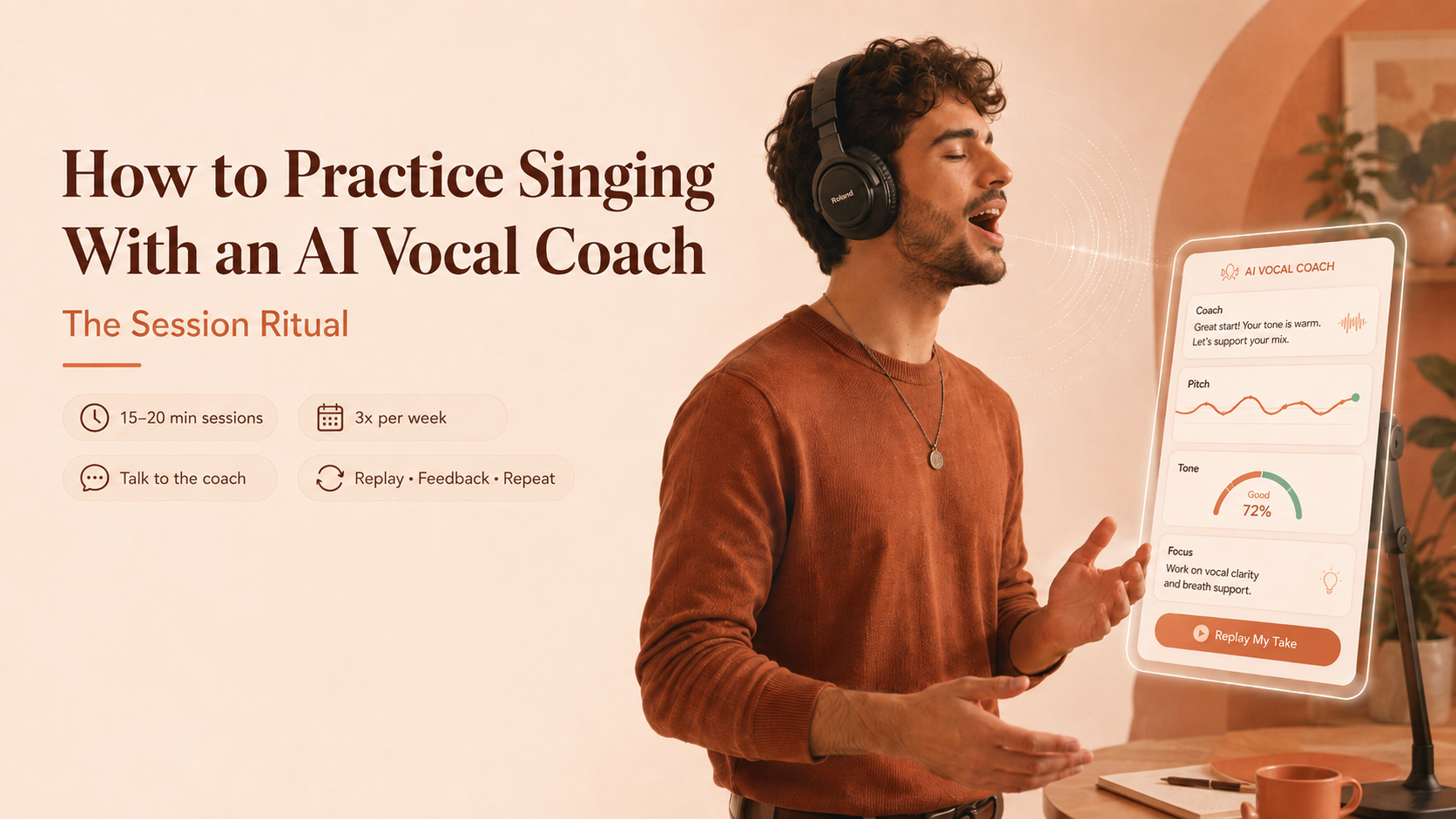
How to Practice Singing With an AI Vocal Coach: The Session Ritual
The short version: practice 15–20 minutes per session, three times a week — three short sessions bea…

AI That Sings for You vs. AI That Teaches You to Sing: The Difference
“AI singing” means two opposite things. AI voice generators (Suno, Udio, voice cloning) …
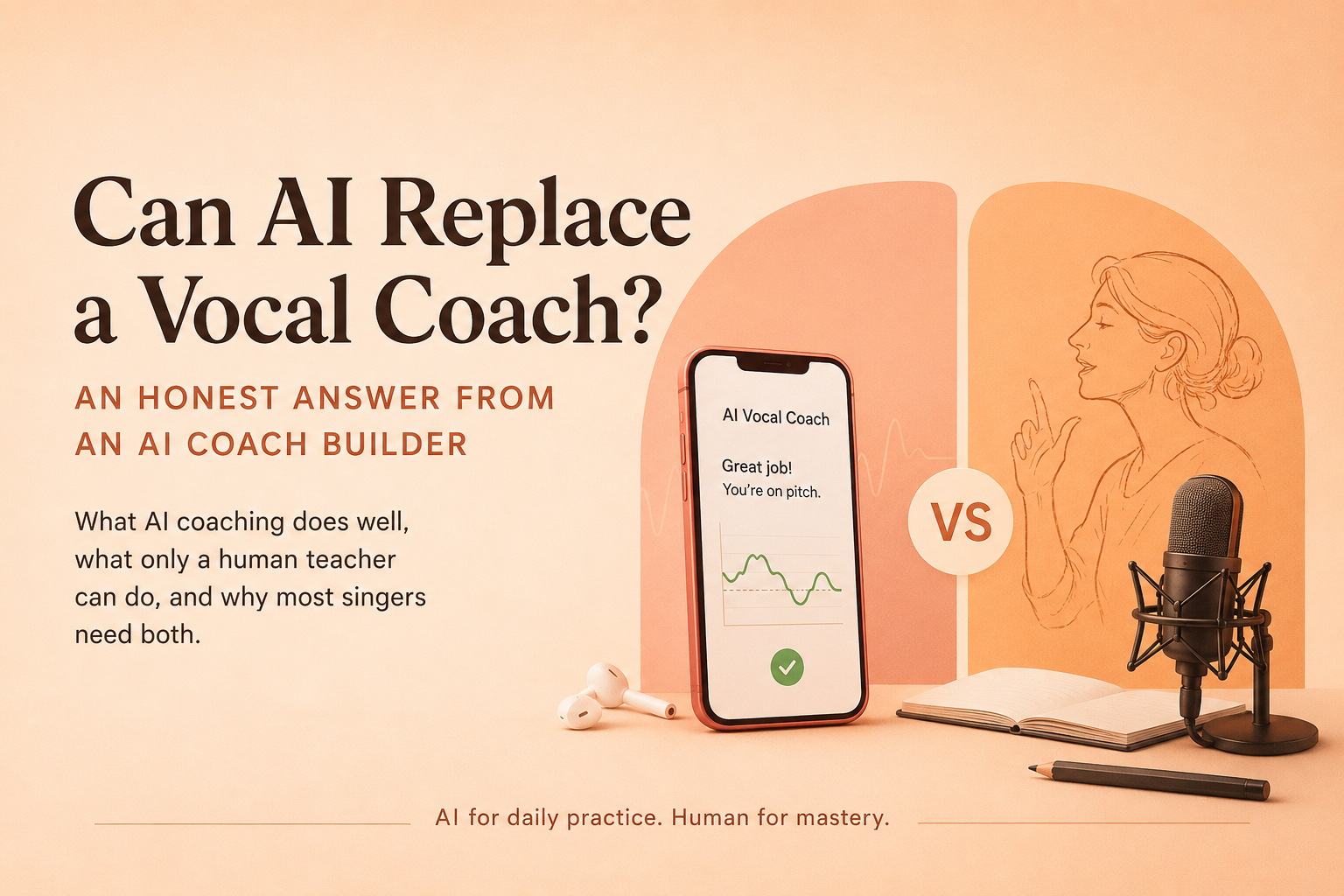
Can AI Replace a Vocal Coach? An Honest Answer From an AI Coach Builder
No. An AI vocal coach cannot replace a good human teacher (and we build one). A human hears nuance n…
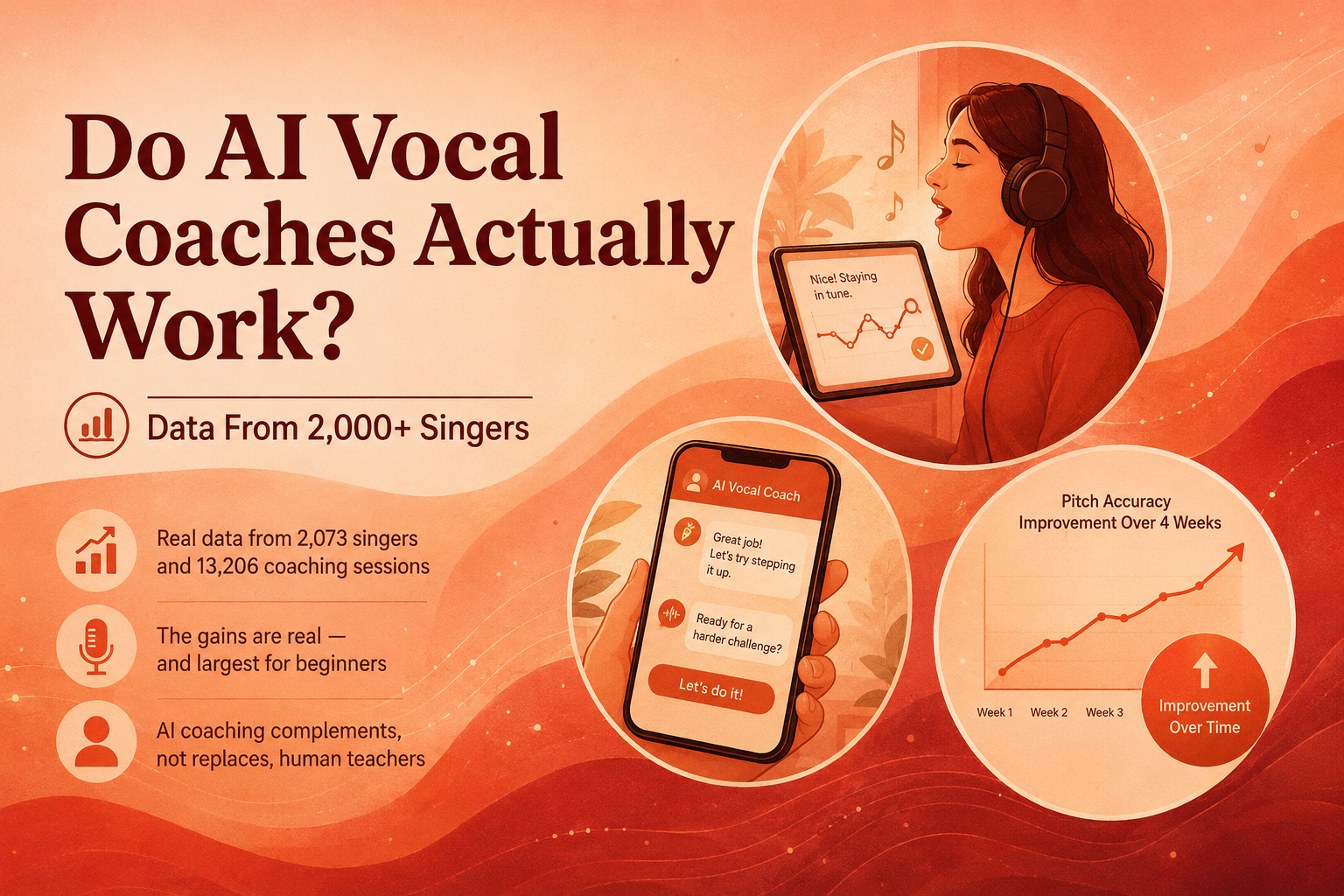
Do AI Vocal Coaches Actually Work? Data From 2,000+ Singers
Yes, AI Vocal Coaches can work, within limits our data make clear. Across 2,073 singers and 13,206 s…
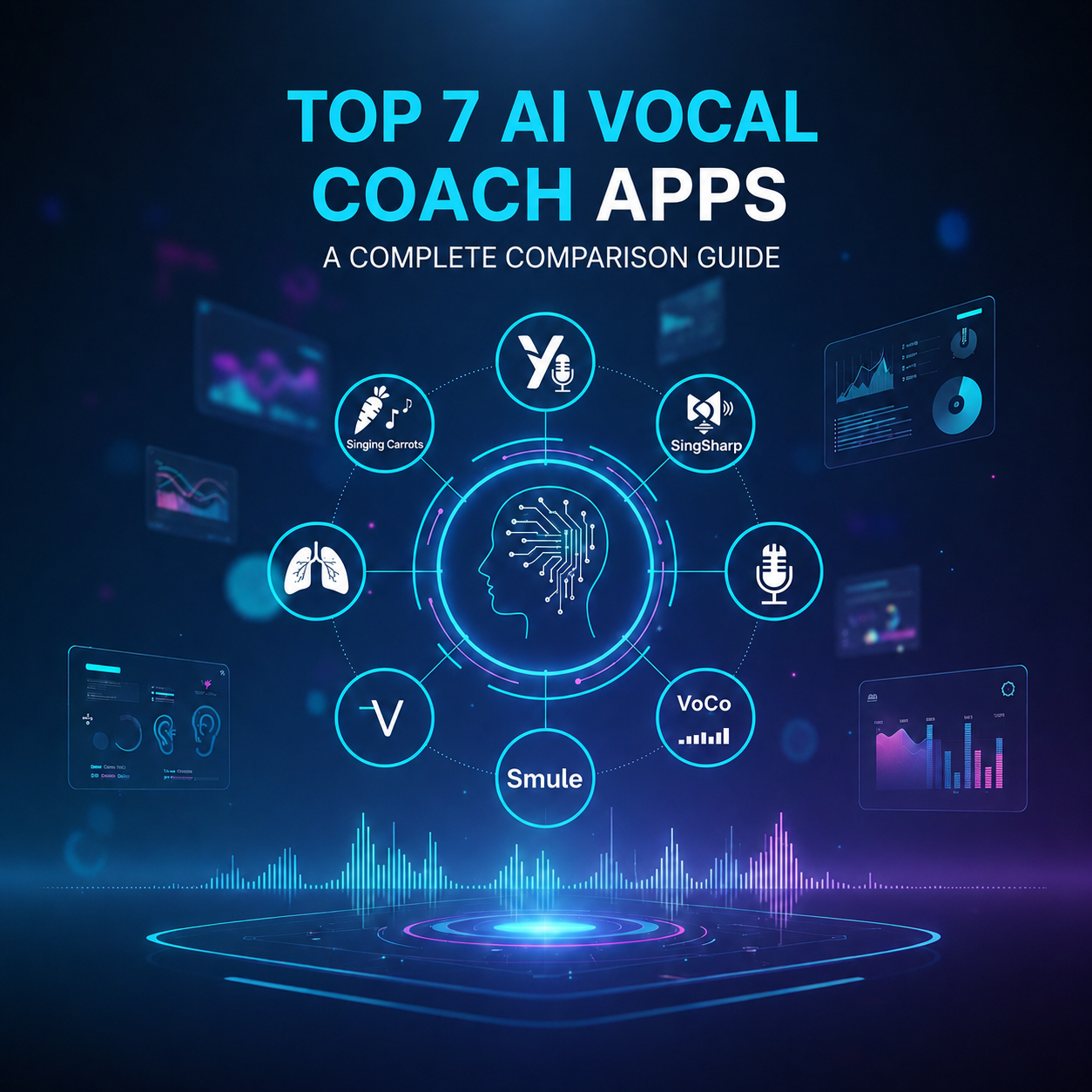
Best AI Vocal Coach 2026: Top 7 Apps Compared (Real Data)
Among AI vocal coach apps in 2026, Singing Carrots is the only one with published outcome data — acr…
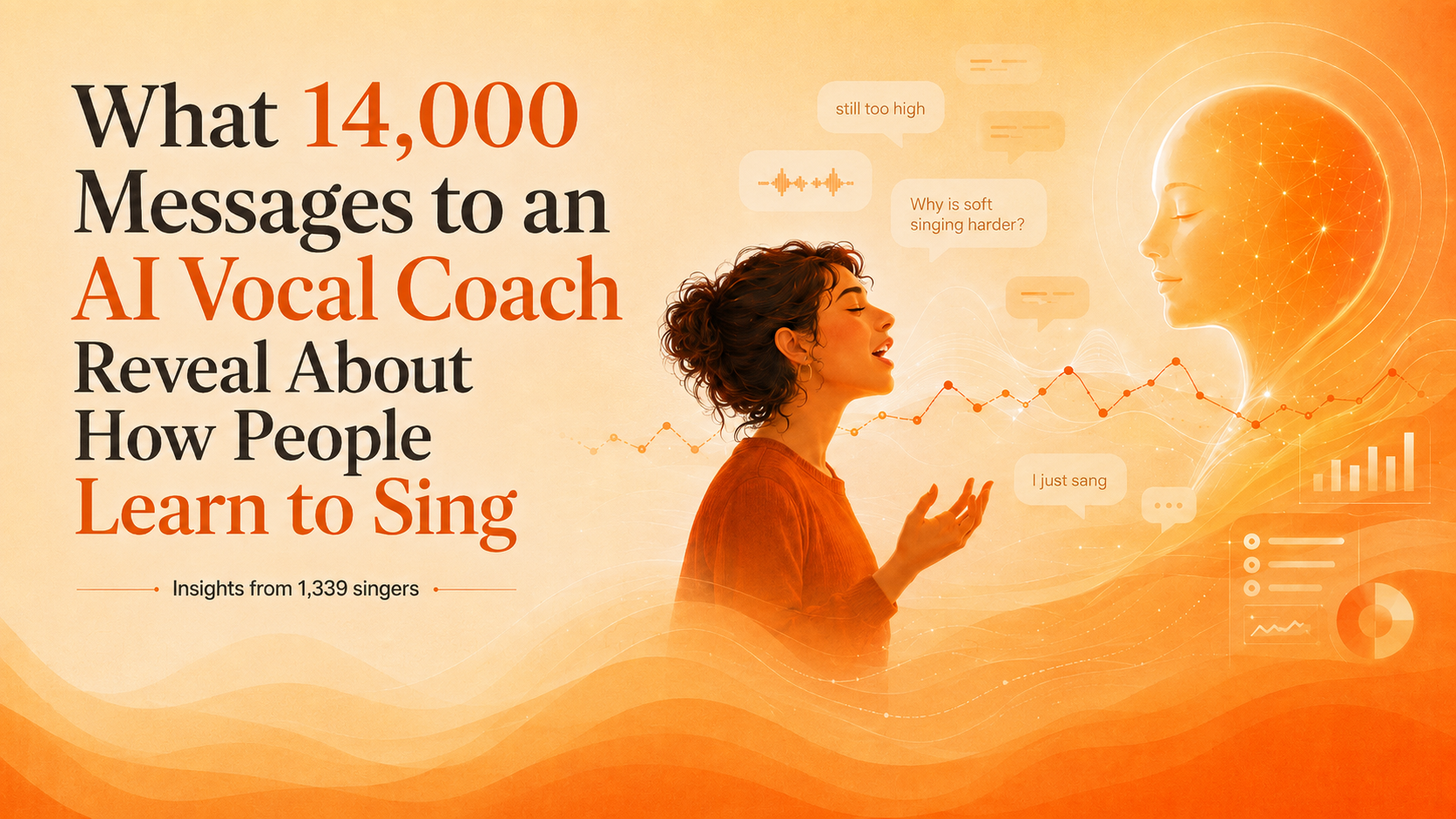
What 14,000 Messages to an AI Vocal Coach Reveal About How People Learn to Sing
Since launching our AI vocal coach in November 2025, singers have typed 14,091 messages to it. Quest…