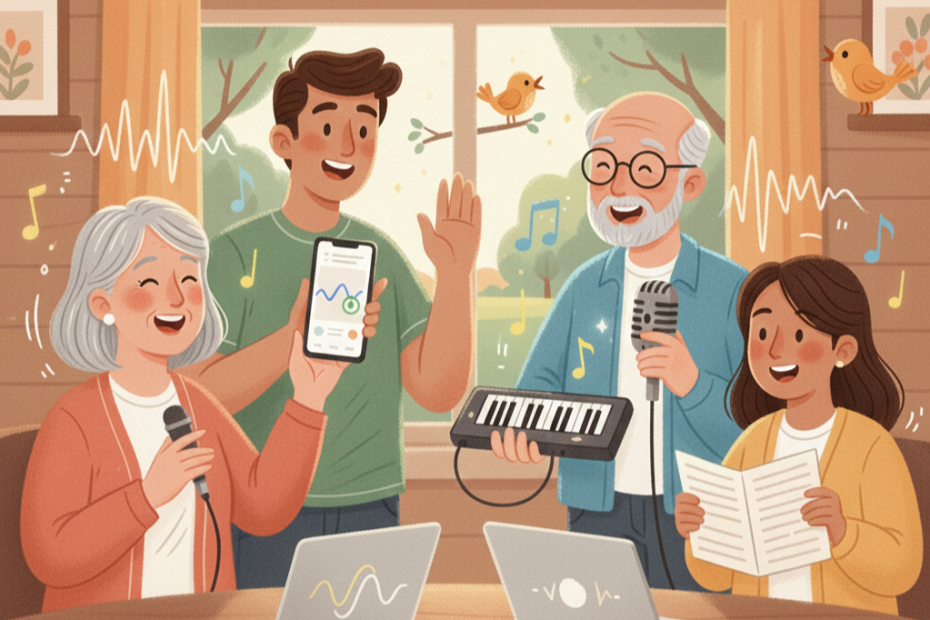

Many adults secretly wonder, “Can I really learn to sing?” The encouraging truth is that almost everyone can develop their singing voice with some practice. Age is no barrier – people in their 50s and 60s often become confident singers. True tone-deafness (an inability to hear pitch at all) is extremely rare. In fact, one music educator notes that if you can hear a note is off-key, you have the key skill to fix your own pitch. In other words, wondering “Can you sing?” is normal, and the good news is that your voice can improve. The first step is simply to test your starting point at home – not as a pass/fail quiz, but as a fun way to see where you stand. Even with no experience, working on singing with a coach or app can unlock your voice. The key is to approach it step by step.
How to Test Your Pitch and Range (With Simple Digital Tools)
Try these easy exercises to explore your voice and answer the big question: can you sing? These aren’t pass-or-fail tests — just friendly ways to discover your starting point.
1. Match a Single Note
Play a note on a piano app or keyboard and try to sing it back. This is one of the simplest ways to answer “can you sing on pitch?”
If you’re not sure whether you matched it, use a simple online pitch tool.
Singing Carrots’ Pitch Accuracy Test is useful here — it shows a visual line of your pitch in real time so you can see whether you’re flat, sharp, or right on target.
2. Check How You Sing in Tune
Record yourself singing a short melody and compare it to the original. When you listen back, ask yourself again: “can you sing the melody recognizably?”
If you want a more structured check, choose any song you know from the Singing Carrots Song Search. Every song page includes:
- A karaoke-style video you can sing along with
- A pitch accuracy button for testing how your voice aligns with the melody
Both are extremely helpful to beginners trying to understand how to sing in tune.
3. Find Your Vocal Range
Slide up and down your voice to discover your lowest and highest comfortable notes.
If you want help identifying the exact notes, the Singing Carrots Vocal Range Test listens to your voice and shows the specific pitches you can reach.
This test also tells you which songs match your range — a great starting point if you’re learning how to find your singing voice. Once you know your range, it becomes much easier to answer “can you sing comfortably within songs written for your voice type?”.
In most cases, the answer is yes — once the song actually fits you.
4. Sing a Simple Song
Pick a very familiar song and sing along at a comfortable volume.
To make it easier, you can filter songs on Singing Carrots by:
- Vocal range
- Difficulty
- Vocal type (e.g., Alto, Tenor)
This helps you choose a song that fits your natural voice and prevents you from forcing notes that are too high or low — a common beginner mistake.
Understanding Your Results
Feeling off-key in this self-test doesn’t mean “you can’t sing” – it just shows your current level. In fact, vocal coaches emphasize that with time and training, nearly everyone can learn to sing in tune. With the right exercises, guidance, and time, almost everyone can learn to match pitch and sing in tune. Also, if you can hear yourself off-key, you can fix it. So if your test showed flat or sharp notes, take heart! You have an ear for music, and it just needs calibration. The hardest part is believing you can improve. Now that you see where you stand, you can focus on training those areas – every singer starts out learning these skills.
Next Steps: How to Improve Your Singing
Use what you discovered as a roadmap. Here are some tips and resources to help you practice:
- Warm Up and Healthy Habits: Always begin practice with gentle warm-ups. Vocal cords are muscles, and experts stress warming them up “like you would other muscles”. Simple exercises (humming, lip trills, short scales) get your voice ready and protect it from strain. Also, breathe properly (diaphragmatic breathing) and stay hydrated. Good posture and relaxation help too. These healthy habits build a strong foundation as you learn to sing.
- Ear Training: Since singing on pitch is largely about listening, train your ears. Ear training is the connector between hearing music and singing it accurately”. You can do this by singing intervals (two notes in a row) or matching melodies. Use apps or simple games: many offer exercises where you must identify or reproduce notes. Singing along with an instrument or a more experienced singer also helps solidify your ear. Even a little daily listening practice can pay off. In short, practicing relative pitch and matching notes will dramatically improve your ability to stay on key.
- Use Singing Apps and Lessons: Today there are many online tools and apps (search “learn to sing app” or “singing training online”) that provide instant feedback on pitch and guide you through exercises. For example, some free web-based tools show you in real time how your pitch compares to the target. You don’t have to rely on guesswork. A structured beginner’s course or even just following along with online tutorials can speed up progress.
- Practice Regularly (and Keep It Fun): Like any skill, consistent practice is key. Try to sing a few minutes each day – even short warm-up routines add up. Pick easy songs in your range and enjoy them. Celebrate small wins (like hitting a tricky note you missed last week!). Recording yourself occasionally can help you track improvement over time. The goal is progress, not perfection – each practice session is a step forward.
- Stay Positive: Remember why you started: because singing should be fun. Almost every singer, even pros, practiced to get better. As one coach says, “the only failure in singing is to not sing at all”. You’ve already passed the first hurdle by giving it a try. Keep a friendly, patient attitude with yourself, and you’ll see improvement.
Summary: Can You Sing? Probably Yes — Here’s Why
If you could match even a single note, follow a simple melody, or recognize when you’re off-key, then yes, you can sing. You already have the foundation. Now it’s about learning: Use this self-test to set your baseline, then choose exercises that target your needs. Almost everyone can train their voice, so the answer to “Can you sing?” for most beginners is a confident yes, with practice!

Unleash 1 Million Voices – Singing Carrots Mission
Hi. I’m Sergey, founder of Singing Carrots. I’m on a mission to unleash one million voices. Bu…
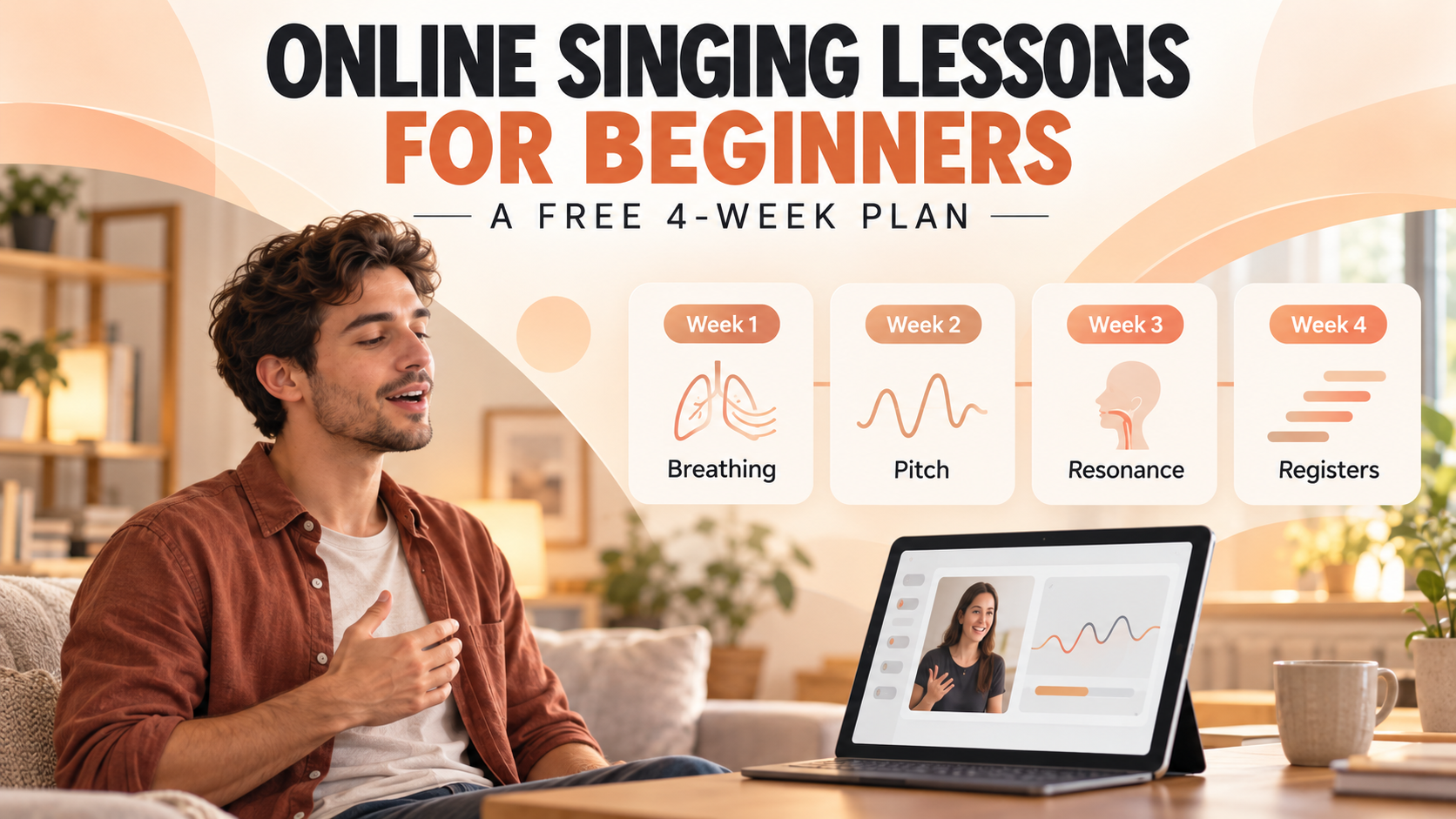
Online Singing Lessons for Beginners: a 4-week plan
You don’t need a teacher, a studio, or a good voice to start. You need about 20 minutes a day,…
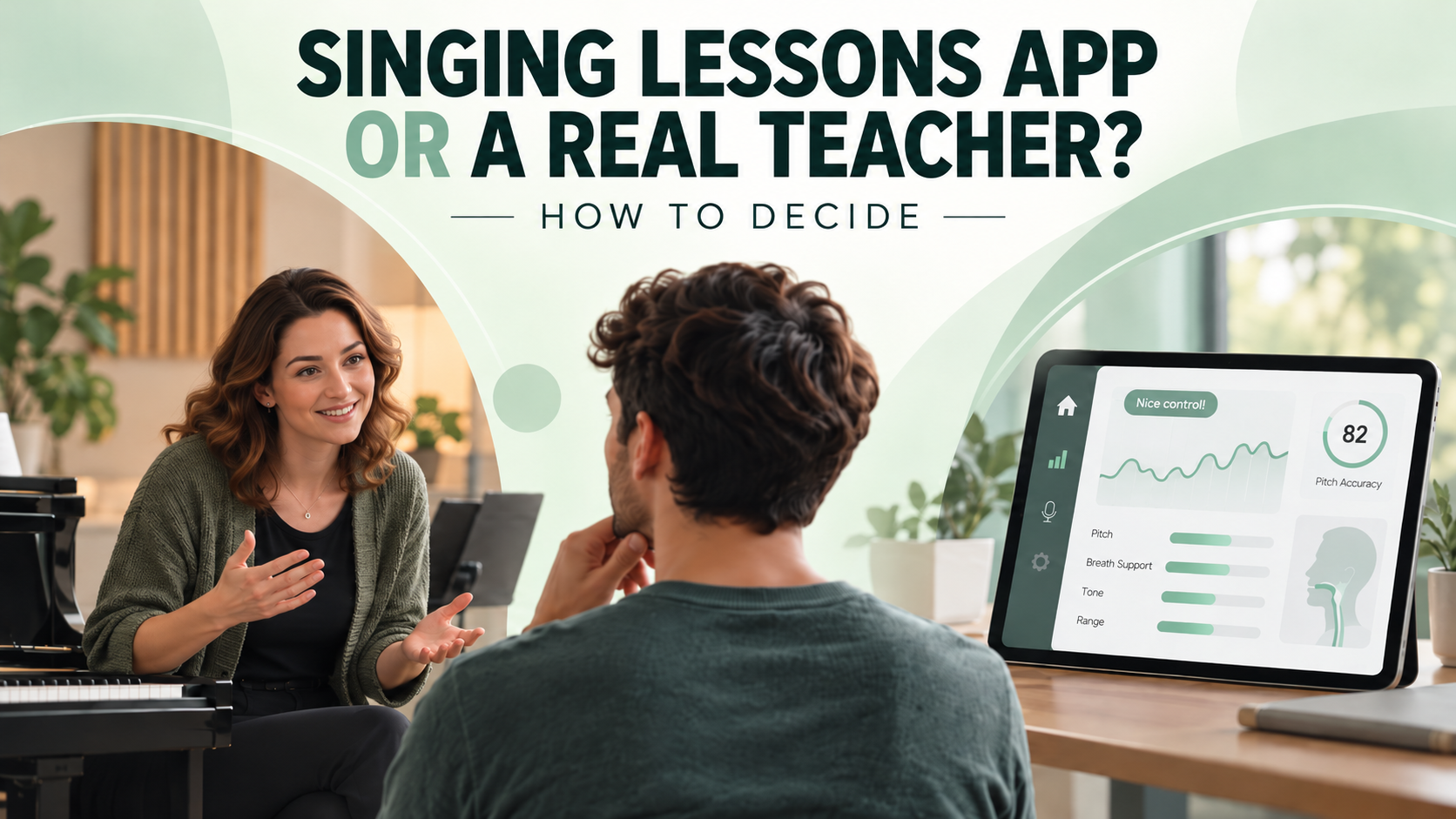
Singing Lessons App or a Real Teacher? How to decide
The short answer: always first go to a teacher if something hurts when you sing, if you’ve pla…
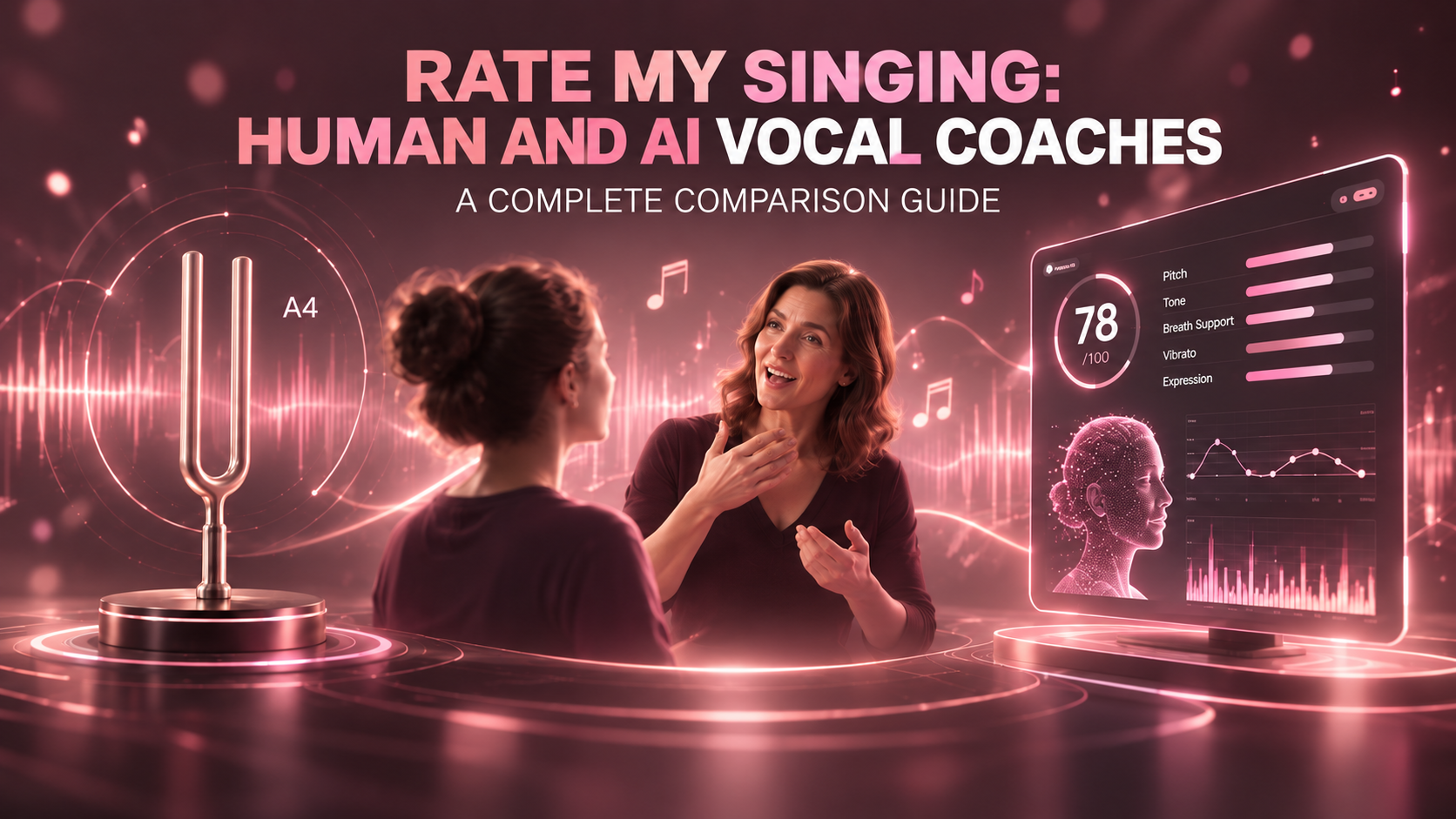
Rate My Singing: Apps, AI Tools, and the Ways Nobody Mentions
The fastest way to get your singing rated is a free pitch accuracy test: two minutes, in your browse…
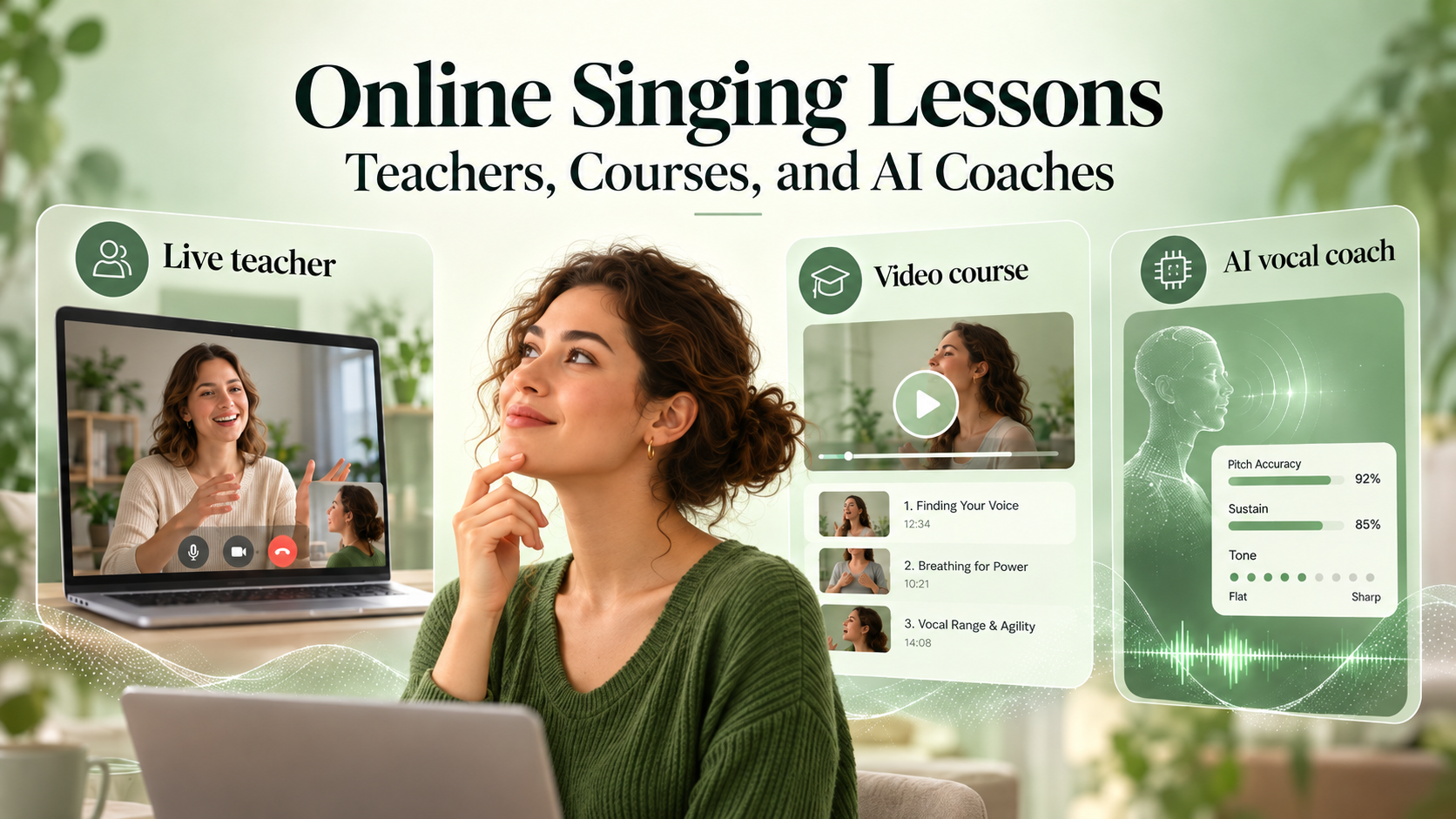
Online Singing Lessons: The Guide to Teachers, Courses and AI Coaches
Updated October 2026 Online singing lessons come in three forms : a live teacher over video call, a …
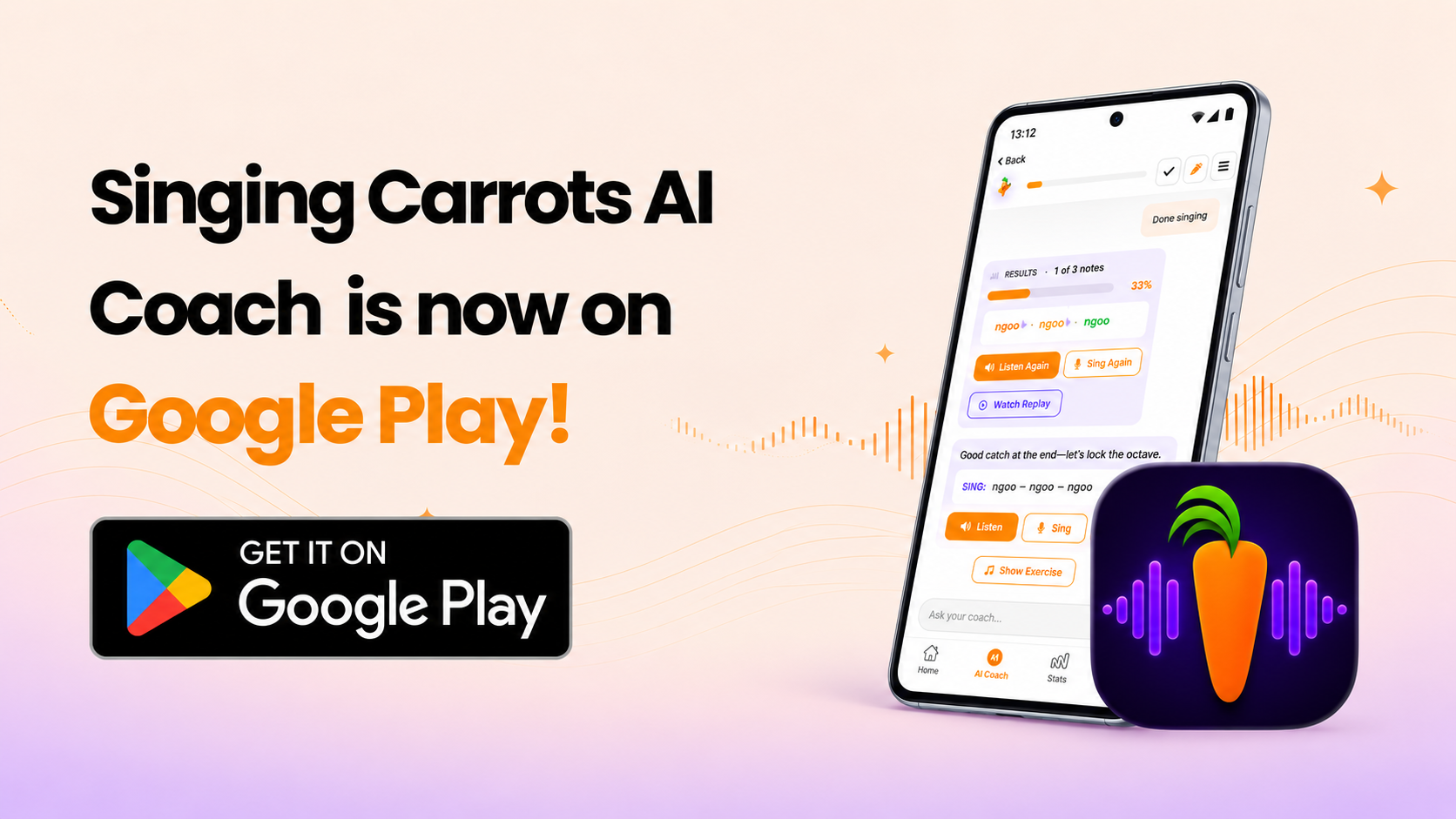
Singing Carrots AI Vocal Coach now on Android
We’ve heard it since the day we launched AI Coach on mobile browsers: “When is this getting its own …
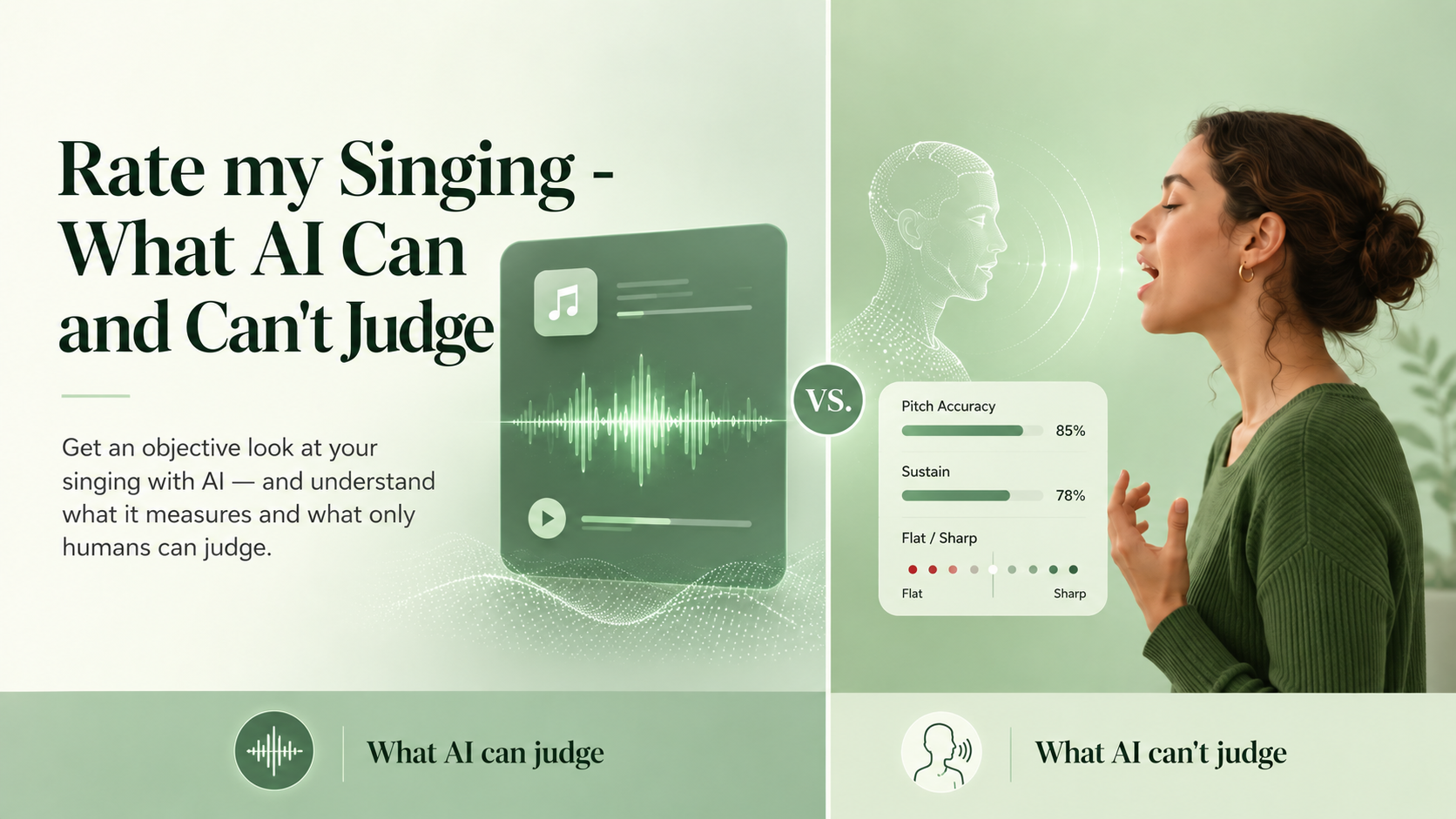
Rate My Singing: What AI Can and Can’t Judge
Want your singing rated? The honest starting point: a chatbot can’t hear you. What can actuall…
FAQs
Can you sing if you’ve never had lessons before?
Yes. Most people can sing without prior lessons. Singing is a learnable skill, and beginners often improve simply by practicing pitch, breathing, and listening regularly.
Can you sing if you think you’re tone deaf?
In most cases, yes. True tone deafness is very rare. Most people who believe they are tone deaf can learn to match pitch with practice and feedback.
How do I know if I can sing in tune?
You can test this by matching a single note, recording yourself singing a short melody, or using pitch-feedback tools that show whether you’re flat, sharp, or on pitch.
Does failing a self-test mean I can’t sing?
No. A self-test only shows your current level. Every singer starts somewhere, and improvement comes from consistent practice, not natural talent.
How should beginners practice singing after a self-test?
Beginners should focus on short daily practice sessions that include warm-ups, pitch matching, and easy songs that fit their vocal range.
Can adults really learn to sing later in life?
Yes. Adults can learn to sing at any age. With regular practice and the right tools, many adults become confident singers even if they start later.
Are online tools and apps helpful for learning to sing?
Yes. Online singing tools and apps can help beginners practice at home, receive instant pitch feedback, and build confidence without pressure.